How to Prevent Furnace Failure During Chicago’s Bitter Cold Days

Chicagoans are no strangers to winter, but winter’s grip has been especially stressful this year. Just over 56% of the Great Lakes are covered with ice. The third week of January saw several nights with temperatures at or below 0ºF. February has also seen many nights in the teens, and that pattern is predicted to return later in the month.
The harder your furnace works to keep your home warm enough, the more you worry about a furnace failure at the worst possible time. What can you do to prevent HVAC problems when winter doesn’t want to let spring arrive?
What Leads to Cold-Weather Furnace Failures
Many modern furnaces are high-efficiency models with an annual fuel utilization efficiency (AFUE) of 90% or higher. It’s a measure of how much fuel your furnace consumes and how much of it is converted into heat.
Exhaust gases cool and condense. The condensate drains through a small tube from the furnace to either an outdoor drain or a sump pump. When it’s bitterly cold, it’s harder to draw in outside air, especially if snow is blocking an intake vent. The same problem can occur with the exhaust. If a safety sensor detects an obstructed air vent, the system shuts down.
That’s one of many issues that can occur. While most Chicago homes are heated with natural gas, some use heating oil and propane. Older systems run into a variety of other issues, such as failing blower motors, malfunctioning thermostats, and electrical problems.
If your system uses propane and water gets into the storage tanks, the resulting ice can make it hard for propane to reach the burner. A thermocouple is a safety device that generates voltage when the pilot light warms up. This keeps the gas valve open. If the thermocouple fails, propane doesn’t flow, and your pilot light doesn’t stay lit, so your furnace doesn’t run.
Heating oil can gel in bitterly cold temperatures. Fuel gelling makes it hard for your furnace to vaporize the oil or deliver it from the tank to the burners because fuel lines clog.
We have one other problem to discuss. When your furnace is running nonstop, a clogged filter makes the blower motor work harder. That can cause your heat exchanger to overheat. If stress cracks or metal fatigue occur with an overheated heat exchanger, a carbon monoxide leak is possible. Your furnace may only blow cold air. Your system may shut down for safety.
Troubleshooting Tips for Winter Storms and Deep Freezes
When you wake up or come home to a cold home, start by checking the HVAC system’s control panel. If it’s a newer furnace, it may flash lights in a specific pattern. That pattern is your error code. It helps you determine what’s wrong. Sometimes, you could fix the issue yourself.
Check your thermostat’s setting. Make sure it’s turned up and that no one accidentally turned it down. If your thermostat uses batteries, replace them and see if that helps.
If the flame sensor is dirty, it keeps the burner from staying lit. Cleaning the metal rod with some steel wool may be enough to get your system working again until you can have an HVAC technician out for a proper cleaning.
The condensate line leading outside your home, a sump pump, or a floor drain can freeze in bitterly cold temperatures. Your furnace doesn’t kick on, and you see water pooling below it. That’s a sign of a blocked condensate line. Find where it’s frozen and use a hair dryer on a low setting to thaw the blockage.
A Checklist to Prevent Issues and Keep Your Home Warm
Keep your home warm and lower the risk of problems using this checklist.
- Change the Air Filter – Swap it for a clean one. If you use a high MERV filter, swap to a lower one until the arctic blast is done.
- Clear Vents – Check your furnace’s outdoor vents and make sure they’re free of snow and ice. If they’re on the roof, use a snow rake to clear around them. On windy days, watch for snowdrifts that can block pipes.
- Draw the Curtains – During the coldest times of day, use insulating blinds or curtains to limit drafts that cool your rooms. Remove Ice – If large icicles form at the end of the exhaust pipe, use your hands or the end of a shovel to break them off.
- Put Your Ceiling Fans in Reverse – Hot air rises. Use your ceiling fans to push the warm air back toward the floor. Use the switch on the side or a remote to reverse the fan blades’ direction.
- Schedule Maintenance – It may be too late this year, but schedule annual maintenance to have your furnace cleaned and inspected. This is important for keeping your system in good working order and catching issues when they’re still small and less likely to lead to a catastrophic failure.
- Set the Thermostat – Before cold weather hits, choose a temperature to keep your heating system at. Instead of your system rapidly heating a home in the morning when you wake up or when you come home from work, it maintains a consistent temperature, reducing strain on the HVAC components.
- Test Carbon Monoxide Detectors – Every month, test your carbon monoxide detectors using the front test button. Change the batteries every six months. A good rule of thumb is to change the batteries when you turn the furnace on and again when the winter heating season ends.
- Use Draft Blockers – Block drafts from exit doors, such as your front door and patio door. If you don’t have draft blockers, rolled up towels, sheets, or blankets work well.
What to Do in an HVAC Emergency
When you’ve troubleshooted possible issues, followed the checklist, and still have no heat, it’s time to call emergency HVAC professionals. When you make the call, try to have the following information available.
- The LED light pattern that’s blinking on the furnace’s control board, if your system has one.
- Any noises you heard before your system failed.
- The make and model, which are written somewhere on the HVAC system, and the installation date.
- The last time the furnace was serviced, and when you last changed the air filter.
Use blankets and dress in layers to stay warm until help arrives. Don’t try to heat your home with your oven. Only run a space heater when you’re home and in the same room.
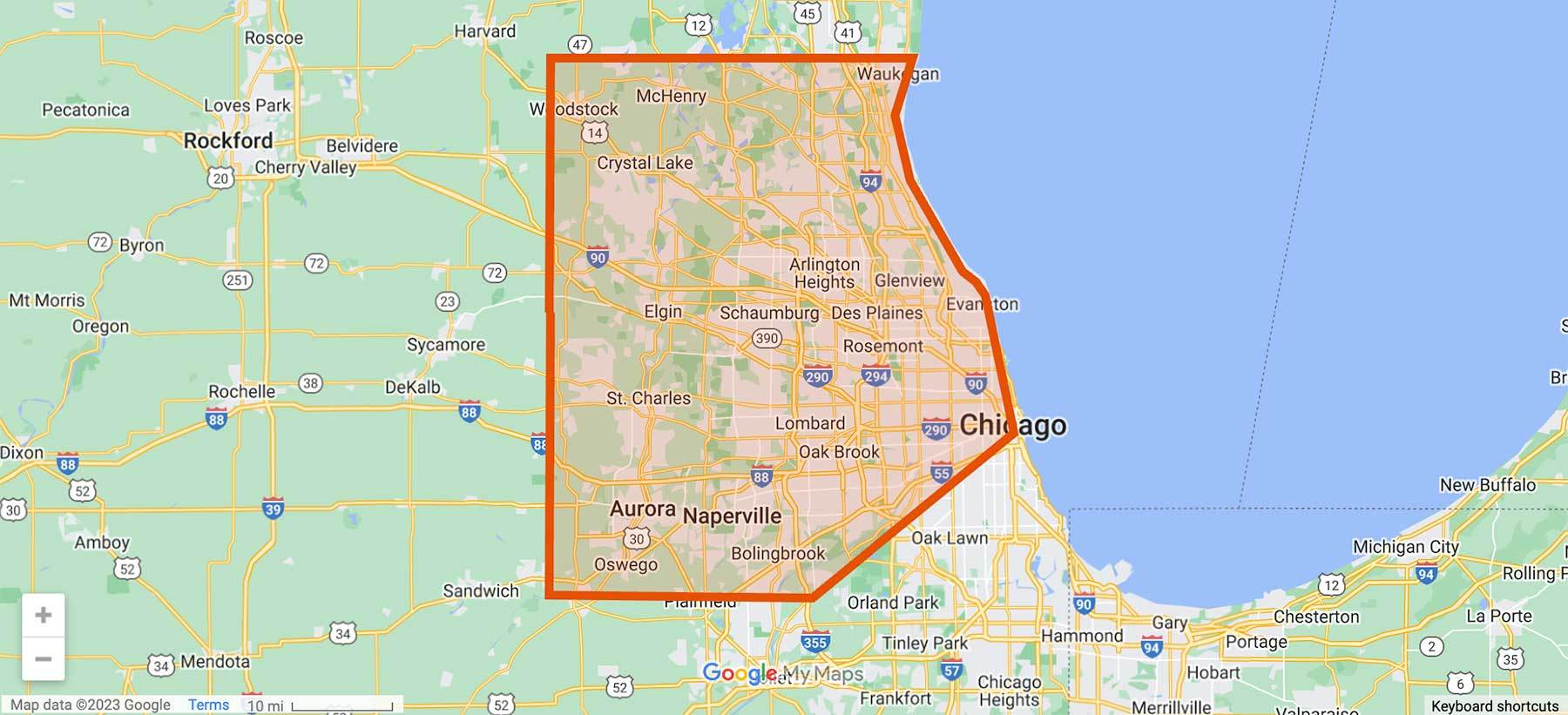
Air Blue Heating and Cooling is a 24/7 emergency HVAC service in Chicagoland. With locations in Algonquin, Downers Grove, and Wheeling, our emergency furnace technicians are never far away. Call us day or night with your furnace emergencies.