How Long Should Your Air Conditioner Run During a Chicago Summer?
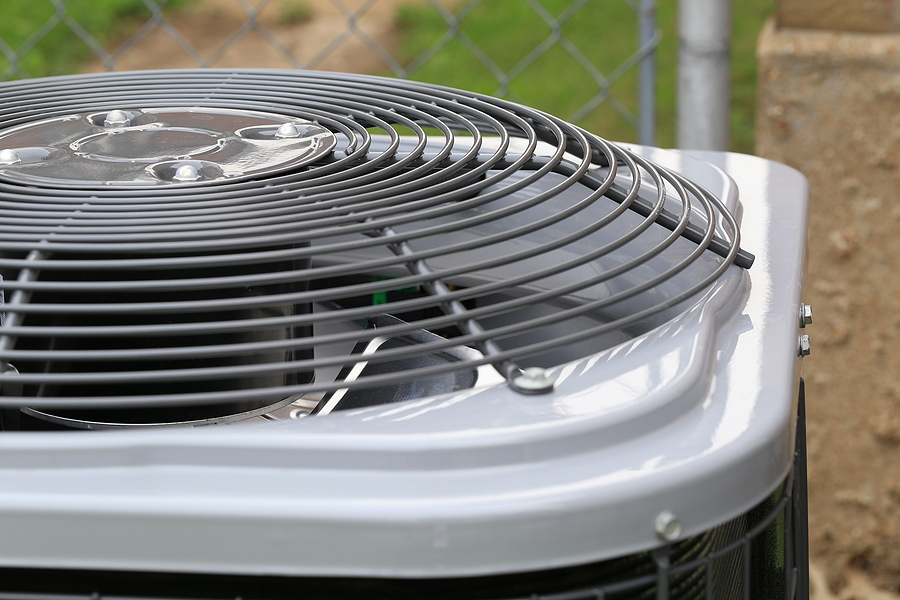
It’s next to impossible to predict how the weather will change from one week to the next. Chicago summers move from glorious days with cooling Lake Michigan breezes to sweltering, humid days that feel like you’re trapped in a steam shower. When it’s hot and humid, your home’s air conditioning system is everything.
As your compressor runs non-stop through July and August, Air Blue hears one question a lot. “Is my AC running too much? Is it working too hard?” Those are good questions.
Understanding how an air conditioner works and how Chicago’s heat and humidity impact an AC system is essential. It’s key to keeping your electricity bills from skyrocketing, your home cool and dry, and your system failing before its time.
How Does a Normal Air Conditioner Cycle?
On one of those perfect summer days, the temperature is in the low-80s°F. A breeze is blowing. If your AC system is properly sized, it should be cooling your home two or three times an hour. It usually cycles for 15 to 20 minutes, shuts off for 10 minutes, and then cycles again for another 15 to 20 minutes.
During this cycle, the warm air is drawn into the vents, passed over your cold evaporator coils, and then the cooled air is pumped back into your home. During that process, the 10-minute break allows the evaporator coil to reach its coldest temperature, ensuring moisture clings to the coil and doesn’t reenter your home.
When your system works well, you end up with a cooled, dehumidified home. You avoid humid air, which encourages dust mites and mold. Sometimes, complications arise to throw an AC’s cycling out of whack.
Factors That Affect a Chicago AC’s Operations
Every home in Chicago is unique. You might have an older home with stone or brick walls. A modern home is well-insulated and airtight. This is just one reason your AC’s operations may stray from the norm.
- Architecture: Chicago’s known for brick bungalows and brownstones. Those homes, while beautiful, lack some of the modern features that help keep heat out and cool in. Insulation, high-efficiency windows, and sealed attics are uncommon. Older, historic doors and windows allow for air leakage. This forces your AC to work harder with longer cycles and fewer rest periods.
- High Humidity: On a hot day, winds blowing over Lake Michigan pick up moisture, raising humidity levels. This increase in humidity means your AC system must work harder to condense the water vapor being removed from your home.
- Outdoor Temperature: When temperatures soar past 90°F, heat can enter your home’s windows, walls, and roofing. The sun heats the surface, allowing heat to penetrate the structure. It’s worse in the late afternoon. When it’s this hot, your AC will cycle more often.
- Thermostat Setting: It’s hot, so your response is to turn down the thermostat. Instead of 74°F, you’ve dropped the thermostat to 68°F. It makes your system run nonstop.
When Is Long Cycling a Problem?
Long cycling occurs when your AC system cycles for longer than normal. Several things can cause long cycling, even on a normal summer day.
- Airflow: If your airflow is restricted due to hair or fur built up on your grille covers, the air coming from your vents weakens. Less cool air enters your room, so the temperature drops. Your system keeps running in an attempt to reach the thermostat’s setting.
- Frozen Evaporator Coil: Your AC system keeps running, and ice starts building up on the copper tubing. This is often the result of restricted airflow or low coolant levels.
- Low Coolant: When coolant levels are low, the AC cannot properly cool the air. It runs continuously to bring the temperature to your preferred setting. It’s usually a sign of a leak.
- Undersized System: A system that’s smaller than your home’s square footage may cost less, but you’ll replace it quickly. It’s unable to properly cool your home, so it has to run nonstop.
Understanding Short vs. Long Cycling
All of the above triggers long cycling. That is a problem, but short cycling is just as bad.
Short-cycling drives up electricity bills by turning your AC on and off repeatedly. It’s cycling multiple times an hour, but usually for less than 10 minutes before shutting back off. There’s a high electrical draw each time it starts up.
What makes your AC short cycle?
- Clogged Air Filters: If you don’t change your air filters, they become clogged with dander, dust, and hair. Restricted airflow triggers safety limit switches, shutting your system down before it can cool the room properly.
- Oversized AC System: Sometimes, consumers think that bigger is better. If you have a 2,000-square-foot home and install an AC designed to cool a 3,000-square-foot home, it will cool your rooms faster, which is advantageous. It’s actually a problem. It cools the air near the thermostat and shuts off. It hasn’t had time to cool all of the rooms.
- Thermostat: The sensors in your thermostat aren’t working correctly. It could be that they’re too close to a supply vent, tricking your system into thinking your home is cool enough. It could also be that the thermostat is in an area where it receives direct sunlight.
Preventative Tips to Keep Your AC Running Smoothly All Summer
Make sure your AC system sticks to healthy cooling cycles all summer. Air Blue’s preventive maintenance checklist helps prevent an unexpected mid-summer emergency breakdown.
- Block the afternoon sun from warming your home by adding light-blocking blinds or curtains that reduce radiant heat gain.
- Clean or replace air filters each month.
- Cook outside or make cool meals like sandwiches or salads on the hottest days.
- Don’t close supply vents or block them with furniture, as that can create an imbalance in static pressure.
- Flush condensate drain lines of any algae or mold.
- Install a programmable or smart thermostat to adjust the temperature and lessen the AC’s load when you’re at work or away from your home.
- Keep the outdoor condenser clean and clear away cottonwood seeds, leaves, plastic bags, tall grass, or weeds.
- Schedule a professional tune-up for the spring, long before the hottest time of the year.
- Skip using indoor electronics or items that release heat into your home, such as a desktop computer or TV.
- Use ceiling fans to create a wind-chill effect that keeps you cooler, even if you’ve turned your thermostat up to 75°F.
Stay Cool All Summer
On a normal Chicago Day, your air conditioner should cycle for 15 to 20 minutes about three times an hour. It may cycle more on extremely hot days, so allow for slight differences in a heat wave. If it’s cycling more or less than that on a normal day, it’s time to call Air Blue Heating and Cooling.
If there is a problem, catching it early saves you money and reduces the risk of a system failure that would take days to resolve. Contact us online to arrange an AC inspection.